


The Map Lied: Science, Nostalgia, and the Soul of the African Plate
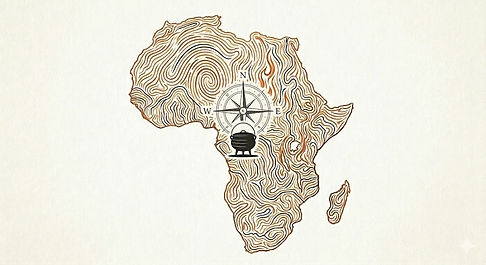
When you look at global culinary maps, food awards, or mainstream media, African gastronomy
is often subjected to a strange, flattening perspective. It is either minimized into a single, generic
"exotic" category, or dismissed by critics who claim the food is "flat" and lacks flavor simply
because it isn't always masked by an overwhelming amount of raw, aggressive spices.
But the map lied.
The assumption that flavor only comes from a jar of imported spices completely ignores the true
foundation of African cuisine: technique as food science. Our traditional gastronomy does not
rely on shortcuts; it relies on sophisticated, ancestral chemistry passed down through
generations to extract and enhance flavors naturally from the base ingredients.
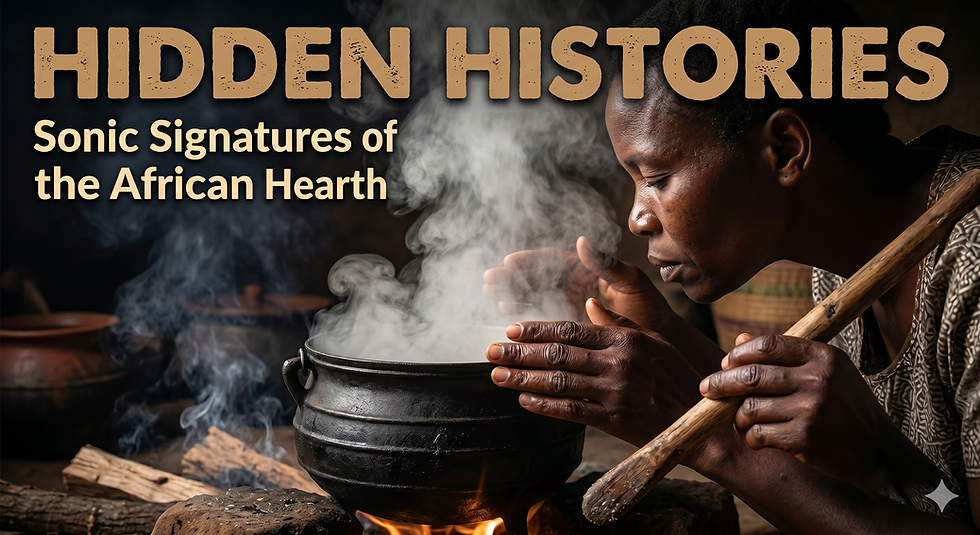
Take, for example, how we prepare a traditional free-range chicken what we call road runner
or chimkuyu. If you cook it properly in a clay pot or a heavy cast-iron pot with just a bit of water,
you don't need a pantry full of external flavor enhancers. The bird naturally cooks itself in its own
rich fat and natural juices. By slowly adding water and lowering the heat, you let the gentle,
even temperature slow-cook the meat over time. It is a masterclass in patience and natural food
chemistry. The depth of flavor built in that pot is something no commercial, fast-raised chicken
or pre-packaged seasoning could ever replicate.
Lately, there is a massive conversation about the direction of our food media, with some
expressing a strong desire to Westernize or modernize African cuisine.
Honestly, modernization in itself is not the enemy. Creators should absolutely have the freedom
to innovate and re-imagine dishes. We have to acknowledge a complex truth: many of our
traditional dishes were originally born out of poverty, scarcity, and survival. Yet, despite those
difficult origins, they carry our deepest, most profound memories.
Think about global giants like Coca-Cola. They unlocked the ultimate branding secret when they
realized that core memories and nostalgia are the keys to human connection. We can absolutely
modernize African cuisine and elevate our ingredients onto global stages without losing that
essential emotional core.
However, a line must be drawn. While we are free to innovate, certain foundational recipes must
be maintained exactly as they are. They do not need to be altered, sanitized, or forced into a
Western fine-dining mold to be considered "high-end." Those unchanged recipes are not just
food; they are our identity, our culture, and our heritage.
The global food map might continue to misrepresent us, but the truth remains alive in our
kitchens. Our cuisine is an unshakeable bond of science and nostalgia—and we are the ones
who get to define its boundaries.


Comments